By: Jobby Obdin
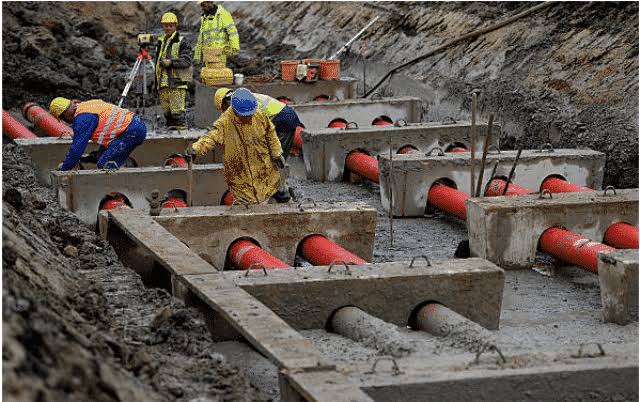
Undergrounding is when you replace the overhead cables that provides power supply to underground cables. The traditional electrical structure here in the Philippines was the overhead cables wherein it is laid in a pole that carry power lines for the supply of electric power. There are other countries like Japan who implemented this kind of system. The construction of underground electrical structure system is a long-time process. This study also shows the higher type of technology in a well-developed country. There are a lot of advantages and disadvantages in implementing the underground electrical structure system. What are the advantages and disadvantages of implementing underground electrical structure system?
The advantages of the underground electrical structure system are; it is invisible to a severe weather conditions, it cannot affect the trees in the street, and it can avoid illegal connections. When underground electrical structure system is implemented, it can lessen the damage in the pole and serves as the protection and lessen the possibility that it will be affected by any natural calamities. It will not affect the places of the trees if it is underground because here in the Philippines there are a lot of situations that they need to cut trees for the poles to have place.Burying utility lines makes room for more large trees on sidewalks.[1] It is also a problem that some of the people here in the Philippines used jumper to have electricity supply for their families, and they didn’t consider the one who will pay for that power supply, so that if this study will be implemented, it can help to stop this following problems.
The disadvantages of the underground electrical structure system are; it is expensive to install, also has expensive maintenance, if there is a problem in the power supply it is hard to repair. The expenses for this underground electrical system is much higher than the overhead cables. In highly urbanized areas, the cost of underground transmission can be 10–14 times as expensive as overhead.[2]The maintenance is also expensive because you need to look where the damaged cables are located and dig it to fix the problem, it’s like that after you fix the problem you will do again the process of burying it like the first time the project is applied and for the other disadvantage it is hard to repair because every time that there will be a problem in the cables, you need to look for it and fix the problem unlike the overhead cables, you can easily see where the problem is. These following problems are just some of the many problems in implementing the underground electrical structure system.
Underground low‐voltage electricity and telecommunications networks have a number of advantages over overhead networks, including reliability of supply, safety and improved visual amenity.[3] This study can support the advantages of underground electrical structure system. Safety with any kind of disaster that is not expected. Improved visual amenity because some of the cable in overhead network is not fixed well in their poles that’s why it doesn’t look good. The underground electrical structure system is best to be implemented in urban places because it can lessen the space needed instead of putting a pole for overhead cables. It is not easy to install but it can assure you for long term use because it is safe in any kind of damage. It is expensive, but it can supply properly the electricity.
This structure system has advantages and disadvantages,but the following disadvantages is not easy to fix, but at least it has way to be solved. My opinion with this study is that underground electrical structure system should be implemented with well-developed countries. If they will implement this kind of structure system, they need to maintain properly so that it will lessen the possible problems that they may encounter with this kind of electrical structure system. If this system was placed right and maintained properly, it will serve power supply for long period of time without causing any serious problems.
REFERENCES:
[1] McKenzie: Bury utility lines, plant shade trees to fight future flooding https://www.thestate.com/opinion/letters-to-the-editor/article41203599.html
[2] Los Angeles Department of Water & Power System Development Division cost estimate datahttps://en.wikipedia.org/wiki/Undergrounding
[3] Abelson et al. (2010) Estimating the Value of Undergrounding Electricity and Telecommunications Networkshttps://onlinelibrary.wiley.com/doi/abs/10.1111/j.1467-8462.2010.00608.x
https://electricalfundablog.com/grading-of-underground-cables-types/
 VOLTECH